Floods are Pakistan’s most destructive recurring disaster. The 2022 monsoon floods alone affected more than 33 million people and killed over 1,700, and in the weeks that followed, health workers saw huge surges in diarrhoea, skin infections, malaria and other diseases. The cruel paradox of a flood is that people are surrounded by water yet have nothing safe to drink. This guide brings together public-health advice and our own field experience — including supplying filters to families after the 2018 Kerala mega-flood — into a practical plan for keeping drinking water safe before, during and after a flood.
Why floodwater is so dangerous to drink
Floodwater is not simply “dirty rain”. As it moves across a landscape it mixes with everything it touches:
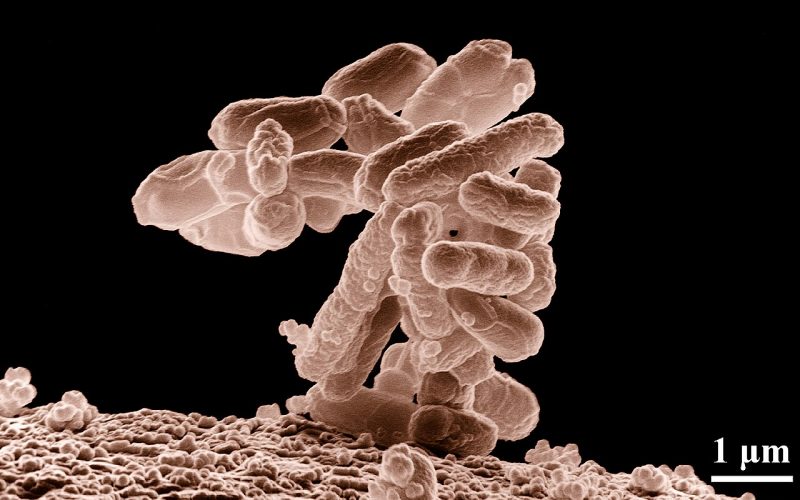
- Sewage. Overflowing latrines, septic tanks and open drains release human waste, carrying the bacteria and viruses that cause cholera, typhoid, dysentery and hepatitis A and E.
- Animal waste and carcasses. Livestock losses are common in rural floods, adding more pathogens.
- Mud and silt. Suspended soil makes water cloudy, shields germs from chlorine and clogs simple filters.
- Chemicals. Fuel, pesticides, fertilisers and industrial waste can be washed into the water.
- Contaminated wells. Hand pumps and shallow wells are often submerged. Even after the water recedes, they can remain contaminated for weeks.
The World Health Organization and other agencies have repeatedly warned that waterborne disease after a major flood can cause a “second disaster”. The good news is that most of these illnesses are preventable with the right water treatment and hygiene steps. For a closer look at the diseases themselves, read our guide to waterborne diseases in Pakistan.
Before the monsoon: prepare your household water kit
Most floods in Pakistan arrive with some warning — the monsoon season, Pakistan Meteorological Department alerts and NDMA/PDMA advisories. Use that time to prepare. A basic household water kit includes:
| Item | Why it matters |
|---|---|
| Stored drinking water (at least 3 days) | Roughly 3 litres per person per day for drinking alone; more for cooking and children. |
| Clean, covered containers with taps | Pouring from a tap avoids dipping hands or cups into stored water. |
| A non-electric water filter | Power usually fails in floods; a gravity or low-pressure filter keeps working. |
| Water purification tablets or household bleach | A back-up disinfection method if you cannot boil. |
| Oral rehydration salts (ORS) and zinc tablets | First-line treatment for diarrhoea, especially in children. |
| Soap and a hand-washing container | Hand-washing is one of the most effective ways to stop diarrhoea spreading. |
| Cloth, bucket and a raised stand | For settling and pre-filtering muddy water. |
| Waterproof bag with phone, charger and documents | Keeps you connected to warnings and relief services. |
During and after the flood: a four-step treatment method
If you have to rely on floodwater, well water or any doubtful source, use a multi-barrier approach. Each step removes something the others miss.
Step 1: Choose the best source available
Rainwater collected directly into clean containers is usually far safer than floodwater. Moving water from higher ground is better than stagnant water near latrines or animal shelters. Avoid any water with a fuel sheen or chemical smell — no household method makes that safe.
Step 2: Settle and pre-filter
Let muddy water stand in a covered bucket for several hours so heavy silt sinks. Carefully pour the clearer top layer through a clean, folded cotton cloth into a second container. This protects your filter and makes disinfection work better.
Step 3: Filter through a fine membrane
A hollow-fibre ultrafiltration filter such as Water Ka Doctor physically removes bacteria, parasites like Giardia and Cryptosporidium, and remaining fine mud. Because it needs no electricity, you can feed it from a bucket placed on a shelf or table and collect filtered water below. Backwash it whenever the flow slows — after floods this may be needed daily.
Step 4: Disinfect if possible
Where fuel is available, bringing filtered water to a rolling boil for one minute adds an extra layer of protection against viruses. Otherwise, follow the dosage on chlorine tablets exactly and wait the stated contact time (usually 30 minutes) before drinking.
Storing treated water safely
Treated water can be recontaminated in minutes by dirty hands, cups or containers. Follow these rules:
- Use separate containers for treated and untreated water, and mark them clearly.
- Keep treated water covered and off the ground.
- Pour, or use a tap — never dip a cup or hand into the container.
- Wash containers with soap and safe water before refilling.
- Use stored water within 24–48 hours if it was not chlorinated.
Recognising and responding to waterborne illness
Despite best efforts, someone may become ill. Speed matters, especially with children:
- Diarrhoea and vomiting: start ORS immediately — small, frequent sips. Continue breastfeeding and normal food. Zinc tablets for children under five help recovery, as recommended by health workers.
- Danger signs: blood in stool, high fever, very sunken eyes, lethargy, inability to drink, or no urine for six hours. Seek medical care at once.
- Rice-water stools with rapid dehydration can indicate cholera and require urgent treatment.
- Yellow eyes or skin after a flood may indicate hepatitis A or E — consult a doctor, particularly in pregnancy.
This guide is not medical advice; always follow the instructions of health workers in your area.
Protecting babies, pregnant women and the elderly
Some people are far more vulnerable to unsafe water during a flood, and they deserve extra attention in every household plan.
Infants and young children
Children under five lose fluids quickly during diarrhoea and can become dangerously dehydrated within hours. Continue breastfeeding — breast milk is safe even when the water around you is not, and it protects babies from infection. If you use formula, prepare it only with water that has been filtered and boiled, and wash bottles with treated water. Keep a supply of ORS sachets and zinc tablets, and make sure older children know never to drink directly from floodwater, puddles or hand pumps that were submerged.
Pregnant women
Hepatitis E, which spreads through faecally contaminated water, is particularly dangerous during pregnancy, and outbreaks have followed floods in South Asia. Pregnant women should drink only treated water, avoid raw salads washed in untreated water, and see a health worker promptly if they develop fever, vomiting or yellowing of the eyes.
Elderly people and those with chronic illness
Older people often feel less thirsty and may not drink enough, especially in hot, humid post-flood conditions. People with diabetes, kidney or heart disease can deteriorate quickly if dehydrated. Assign a family member to check that they are drinking regularly from a safe, easy-to-reach container.
Hygiene for everyone
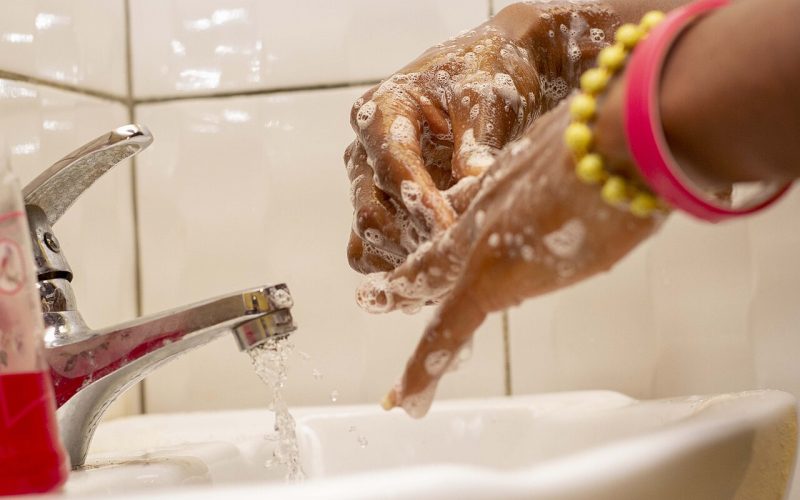
Treated water is wasted if hands carry germs straight back to the mouth. Set up a simple hand-washing station — a covered container with a tap, soap and a basin — near the latrine and the cooking area. Wash hands with soap after using the toilet, after cleaning a child, and before preparing food or eating. Cover food, cook it thoroughly, and eat it hot.
Clean water in relief camps and community settings
In relief camps, schools and mosques used as shelters, dozens or hundreds of people share the same water source, so a single contaminated tank can spread illness quickly. From our work in the Kerala flood response and the Afghan refugee settlement in Islamabad, a few lessons stand out:
- Bring treatment to the point of use. Water trucked to a camp can be clean at the tanker and contaminated by the time it reaches a family’s jerrycan. Household filters fix the “last metre” problem.
- Choose equipment that works without power. Electricity is often the last service to return. In Kerala, the small size and effectiveness of our filters surprised the community leaders who distributed them, and lab tests on the filtered water from heavily contaminated sources showed it was fit for drinking.
- Train a few people per settlement. A five-minute demonstration on backwashing and hygiene makes filters last far longer.
- Clean the jerrycans. Dirty, leaking containers were one of the main causes of recontamination we saw in the field.
NGOs and relief organisations can order our Emergency Relief Filter Pack (10 units) or a Community Filter Station for shelters and schools. Contact our team for bulk logistics.
After the water recedes: restoring your water supply
Don’t assume your old source is safe just because the water has gone down:
- Clean and disinfect storage tanks — empty, scrub, rinse and chlorinate according to local health guidance.
- Pump out flooded wells and hand pumps repeatedly until the water runs clear, then disinfect and, ideally, test before drinking.
- Get your water tested. A bacteriological test shows whether contamination remains. Our water quality testing service can help, or see how to test water quality at home.
- Keep filtering for several weeks, as groundwater can stay contaminated long after the surface dries.
- Repair latrines and keep them away from water sources.
Key takeaways
Floods are frightening, but the steps that save lives are simple: store safe water before the flood, use a multi-barrier treatment method during it, keep treated water clean, recognise dehydration early, and restore your supply carefully afterwards. A filter that works without electricity is one of the most valuable things a family in a flood-prone district can own.
Be ready before the next monsoon
Water Ka Doctor delivers up to 60 litres of safe water per hour with no electricity — ideal for flood-prone homes, shelters and relief work. $18 with free delivery.
Shop Water Ka Doctor