Ask any Karachiite about water and you will hear the same story: the line water comes on irregularly, the tanker is expensive and late, and nobody is quite sure what is actually in the tank on the roof. Our own office is in Gulistan-e-Johar, so this is not an abstract problem for us. This guide is a practical, room-by-room plan for Karachi households — how to understand where your water comes from, how to store it, how to check it and how to make sure the glass you hand your children is safe.
Why Karachi’s water problem is different
Karachi is one of the largest cities in the world, and its water system has not grown at the same pace as its population. Most of the city’s supply travels a long way — from the Indus via Keenjhar Lake and from the Hub Dam — through ageing bulk mains, pumping stations and distribution lines. Official estimates have long put the amount actually delivered at well below what the city needs, and the gap is filled by tankers, private boreholes and bottled water.
For a household, this creates three specific risks:
- Intermittent supply. When pipes are empty for hours or days, the pressure inside drops. Leaking joints and cracked lines can then draw in surrounding groundwater and, in many neighbourhoods, sewage from lines laid alongside them. Water that left the treatment works clean can arrive contaminated.
- Mixed sources. On any given week, a single home may use line water, hydrant tanker water, a private tanker from a borehole and a few bottles of mineral water. Each has a different quality profile.
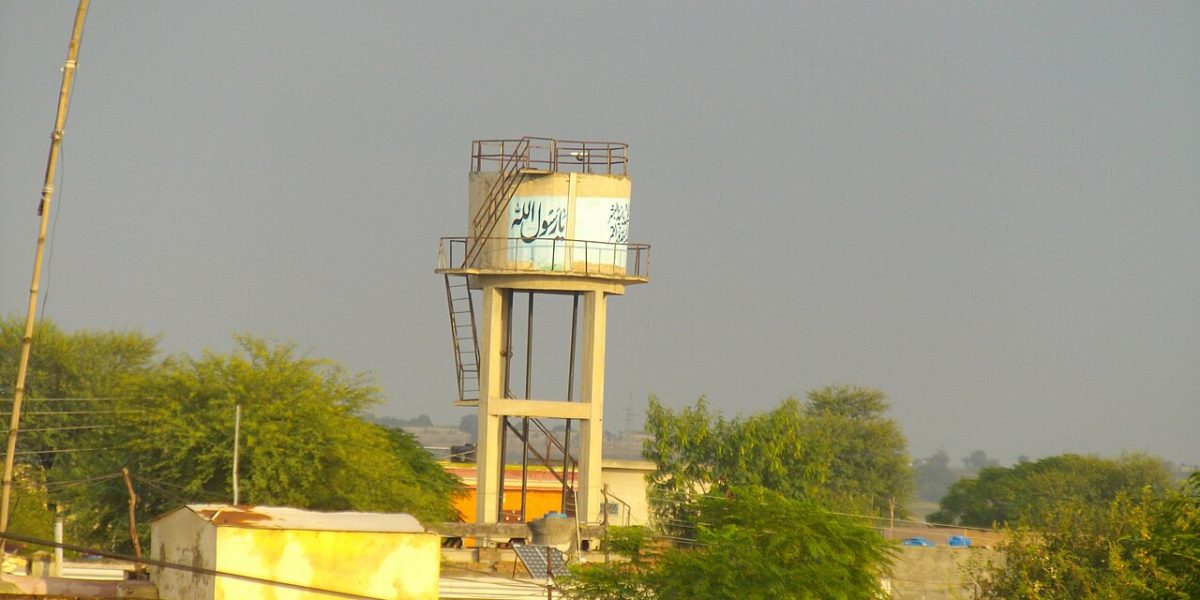
- Long storage. Because supply is unreliable, almost every home stores water in an underground tank, an overhead tank, or both. Storage is where good water often turns bad.
The good news is that each of these risks has a practical, affordable answer at household level.
Know your sources: line, tanker and bore water
Before deciding how to treat water, work out what you are dealing with. Here is a simple way to think about the three main Karachi sources.
| Source | Typical risks | What usually fixes it |
|---|---|---|
| KW&SC line water | Bacteria and parasites from leaking pipes, sediment, rust, occasional sewage ingress | Clean storage + ultrafiltration (e.g. Water Ka Doctor) or proper boiling |
| Hydrant tanker water | Same as line water, plus contamination from the tanker itself and hoses | Clean storage + ultrafiltration |
| Private bore / borehole tanker | Often high TDS (salty or “heavy” taste), sometimes bacteria; varies hugely by area | Test TDS first — if high, you need RO for drinking; if normal, ultrafiltration |
| Bottled / 19-litre dispenser bottles | Quality varies by brand and handling; refilled bottles can be contaminated | Buy from trusted brands, check seals, keep dispensers clean |
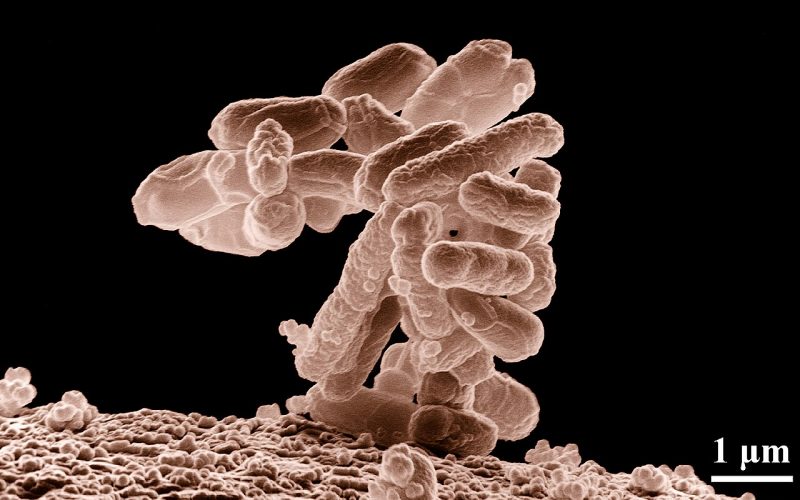
The key distinction is between biological and particle contamination (germs, mud, rust, micro-plastics) and dissolved salts (TDS). The first is by far the most common cause of illness in Karachi, and it is what our ERM hollow-fibre membrane is designed to remove. The second is a taste and suitability issue that needs a different technology. Our article on TDS and when you actually need RO explains this in detail.
Storage: the step most households get wrong
Karachi homes depend on tanks, and tanks are where many contamination problems begin. Sediment settles at the bottom, a biofilm grows on the walls, lids crack and let in dust, insects and birds, and underground tanks can take in seepage from nearby drains if the walls are damaged.
Underground tanks
- Make sure the tank is well sealed and its manhole cover sits above ground level, so rainwater and street run-off cannot flow in.
- Check the walls for cracks every few months, especially if the tank is near a sewage line or soakage pit. A crack you can see is a leak path for contaminated water.
- Do not let the tank run completely dry and then refill it with tanker water in a rush — the sludge at the bottom gets stirred up and pumped into your overhead tank.
Overhead tanks
- Use a tank with a tight-fitting lid. Opaque tanks reduce algae growth compared with translucent ones left in the sun.
- Fit a mesh over the overflow and vent pipes to stop insects and small animals getting in.
- Drain a little water from the bottom outlet regularly if your tank has one, to remove settled sediment.
How to clean a tank
- Empty the tank completely and remove sludge with a bucket and scoop.
- Scrub the walls, floor and lid with a stiff brush and clean water. Avoid strong detergents that leave residues.
- Disinfect with a chlorine solution according to the product’s label, leave it for the recommended contact time, then rinse thoroughly.
- Refill, let the system run for a while, and flush the house pipes by opening every tap for a few minutes.
Dealing with tanker water
For many Karachi families the tanker is not optional — it is the main supply for weeks at a time. You cannot control where the water came from, but you can reduce the risk it carries.
- Prefer official hydrant tankers where available, since the water is drawn from the city system rather than an unknown borehole.
- Look at the tanker and hose. A visibly dirty hose that has been lying on the road is a contamination source. Ask the driver to rinse it before connecting.
- Check the first water that comes out. If it is very muddy, smells of sewage or has an oily sheen, do not accept it into your tank.
- Measure TDS with an inexpensive digital meter if you buy borehole tankers. A sudden jump in TDS tells you the source has changed.
- Never drink tanker water untreated. Treat it exactly like untreated surface water: store it cleanly and purify it at the point of use.
Purify at the point of use, not just at the tank
Even if your tanks are perfect, water picks up contamination in household pipes, at the tap, and in jugs and bottles. That is why public-health experts favour point-of-use treatment — purifying water right before you drink it.
For most Karachi households drinking line or hydrant tanker water, a good point-of-use system needs to do three things: remove bacteria and parasites reliably, cope with frequent sediment and rust, and keep working during load-shedding. This is exactly the problem Water Ka Doctor was designed for:
- Its hollow-fibre ultrafiltration membrane, certified to 0.1 micron, removes 99.9999% of bacteria, pathogens, parasites and suspended solids, along with micro- and nano-plastics.
- It needs no electricity, so load-shedding does not leave you without safe water.
- It delivers up to 60 litres per hour with low pressure, so it works on a kitchen tap even when the overhead tank is half-empty.
- A simple backwash with the supplied syringe clears the sediment that Karachi water is famous for — see our step-by-step maintenance guide.
- It keeps the minerals naturally present in the water, which is why it does not reduce TDS.
One unit lasts two years or 10,000 litres, which is enough drinking and cooking water for a family of five. If your household uses a lot of water for cooking, or you want an extra unit for the office, the Family Kit includes a tap adaptor, tubing and spare washers to make installation easier.
Kitchen habits that protect your family
A purifier is only as good as the containers and habits around it. These small changes make a big difference:
- Use a dedicated drinking-water container with a narrow mouth and a lid or tap, so hands and cups are not dipped into the water.
- Wash bottles and jugs daily with clean, purified water. Refilled plastic bottles that are never washed grow a slimy film inside.
- Use purified water for making ice, mixing baby formula, washing salad and fruit that will be eaten raw, and preparing sharbat and lemonade.
- Clean water dispensers if you use 19-litre bottles; the reservoir and taps need regular washing.
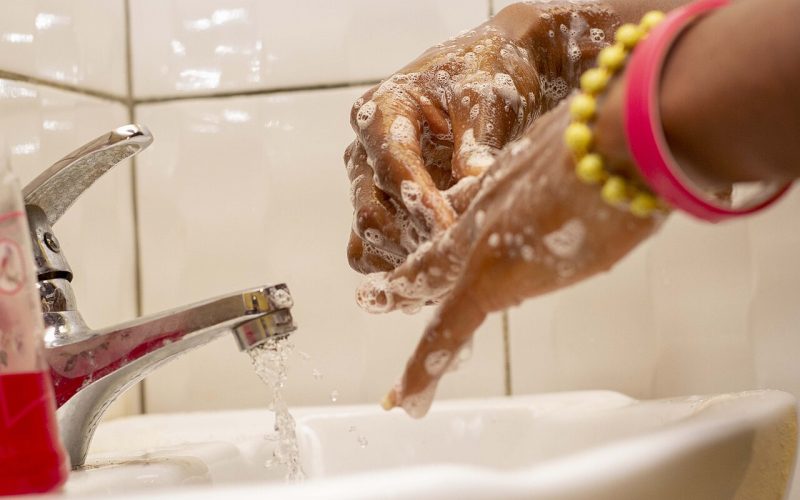
- Wash hands with soap before handling drinking water and food — this cuts the spread of diarrhoeal illness significantly.
Monsoon, urban flooding and emergencies
Karachi’s monsoon rains regularly flood streets and low-lying neighbourhoods. When that happens, underground tanks can be contaminated by flood water, and sewage lines overflow. In the days after heavy rain:
- Assume all tap and tank water is contaminated until your tanks have been checked and cleaned.
- Rely on purified or boiled water for drinking and cooking.
- Watch for diarrhoea, vomiting or fever in children and seek medical advice early — dehydration develops quickly in small children.
Our flood safety guide covers emergency water treatment in more detail, and our guide to waterborne diseases explains the warning signs to look out for.
When to test your water
You do not need a laboratory to make most decisions, but you do need some information. A digital TDS meter tells you whether your water is suitable for ultrafiltration or needs RO. Simple test strips can check pH and chlorine. For bacteria, a laboratory test is the most reliable option, and PCRWR and accredited private labs offer this service.
If you want a professional assessment, our water quality testing service covers the key parameters and comes with a plain-language report and a recommendation. Our guide to testing water quality at home explains what you can check yourself.
Safe water in Karachi, even during load-shedding
Water Ka Doctor removes 99.9999% of bacteria and parasites with no electricity and no running cost. Free delivery anywhere in Karachi.
Shop Water Ka DoctorPractical takeaway
Karachi’s water challenges are large, but your household plan can be simple. Know your source and measure its TDS. Keep your tanks sealed and clean them every few months. Treat tanker and line water as untreated, and purify it at the point of use with a system that does not depend on electricity. Use clean containers and wash your hands. Do these five things consistently, and the water your family drinks will be safe — whatever the tanker brings.