“Pure water” sounds like the ideal. But in drinking water, purity has two very different meanings. Water free of bacteria, parasites, mud and plastic is unquestionably good. Water stripped of everything — including the calcium and magnesium that nature dissolved into it from rocks and soil — is a different matter. This guide explains what minerals in drinking water do, how different purifiers treat them, and how to get water that is both safe and naturally balanced.
Where the minerals in water come from
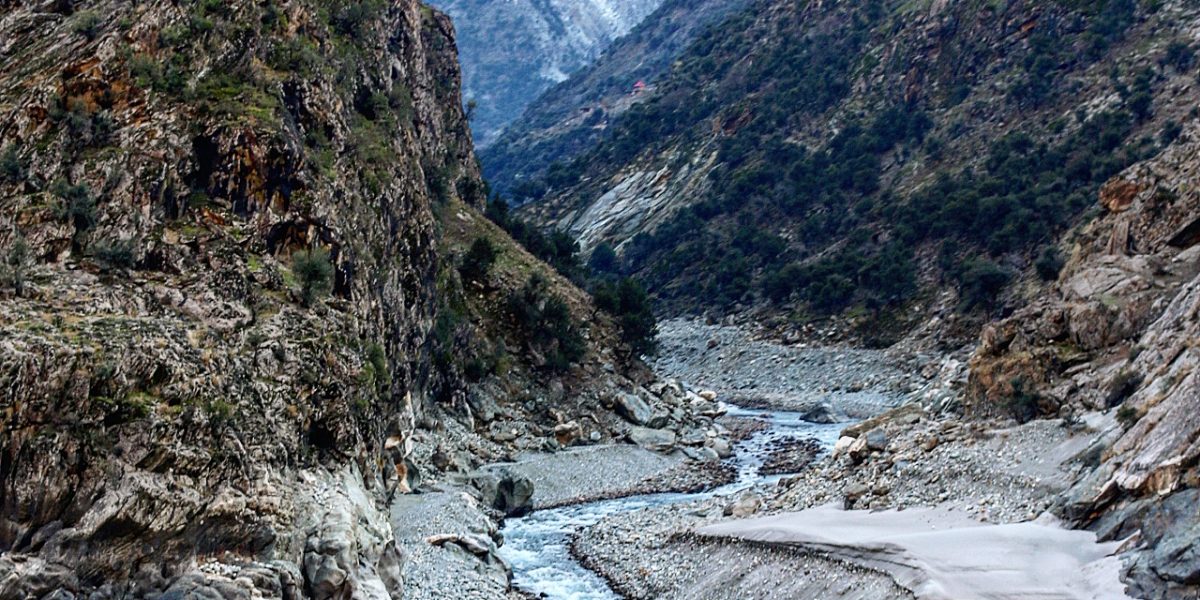
As rain soaks through soil and rock or snowmelt runs down a mountain stream, it slowly dissolves minerals from the ground. Limestone and dolomite add calcium and magnesium; other rocks contribute sodium, potassium, bicarbonate and sulphate. The total amount of these dissolved substances is measured as TDS — total dissolved solids, usually in milligrams per litre (mg/L) or parts per million (ppm).
In Pakistan, TDS varies enormously. Water from northern glacial streams can be very soft and low in minerals. Many canal-fed and groundwater sources in Punjab and Sindh are moderately mineral-rich. Some groundwater, particularly in coastal and arid areas such as parts of Karachi, lower Sindh, Thar and Balochistan, is brackish or salty with very high TDS. Pakistan’s National Standards for Drinking Water Quality set a TDS limit of less than 1,000 mg/L.
The minerals your body appreciates
Calcium
Calcium builds and maintains bones and teeth and is needed for muscle contraction, nerve signalling and blood clotting. Dairy, leafy greens, pulses and fish with bones are the main dietary sources, but moderately hard water can add a useful amount — and calcium from water appears to be absorbed about as well as calcium from milk.
Magnesium
Magnesium is involved in hundreds of enzyme reactions, including energy production, muscle and nerve function and heart rhythm. Many diets based on refined flour and white rice are on the low side for magnesium. The World Health Organization has reviewed the public-health significance of calcium and magnesium in drinking water and noted that a number of studies have associated higher magnesium in drinking water with lower cardiovascular risk, while calling for further research.
Potassium, bicarbonate and others
Present in smaller amounts, these contribute to taste and help water feel “fresh” rather than flat. Bicarbonate also buffers water, making it less corrosive to pipes.
Minerals and taste
Minerals are a big reason why water from one source tastes different from another. Very low-mineral water often tastes flat or slightly bitter, which can discourage people — especially children — from drinking enough. WHO guidance on the acceptability of drinking water describes water with TDS below about 300 mg/L as excellent in taste, 300–600 mg/L as good, and becoming progressively less palatable above 900 mg/L, with levels above about 1,200 mg/L generally unacceptable to consumers.
So the goal is not zero TDS. For most people, water in the low hundreds of mg/L that is free of germs is both pleasant and healthy.
Not every dissolved substance is welcome
It would be misleading to suggest that everything dissolved in water is good. Some dissolved substances are harmful above certain levels:
| Substance | Concern | Where it’s a known issue in Pakistan |
|---|---|---|
| Arsenic | Long-term exposure linked to skin lesions and cancers | Groundwater in parts of the Indus plain in Punjab and Sindh |
| Fluoride (excess) | Dental and skeletal fluorosis | Some areas of Thar and other arid regions |
| Nitrate | Risk to infants (“blue baby” syndrome) | Areas with heavy fertiliser use or nearby sewage |
| Sodium/chloride (high salinity) | Salty taste; concern for people with high blood pressure | Coastal and brackish groundwater areas |
How different purifiers treat minerals
The type of purifier you choose decides what happens to the minerals in your water:
- Reverse osmosis (RO) forces water through an extremely fine membrane that rejects most dissolved substances. It is the right tool for salty, brackish or chemically contaminated water. But on sweet water it removes beneficial minerals along with the rest, typically producing water with very low TDS, and it rejects a portion of incoming water as waste. That’s why many RO units now add a “mineral cartridge” to put some minerals back.
- UV purifiers inactivate microbes with ultraviolet light and leave minerals untouched, but they do not remove mud, cysts in cloudy water, or particles, and they need electricity.
- Ultrafiltration (UF) — the technology inside Water Ka Doctor — physically removes bacteria, parasites, suspended solids and micro-plastics through 0.1-micron pores, while dissolved minerals pass straight through. No electricity, no waste water, minerals intact.
For a deeper side-by-side, read UF vs RO vs UV water purifiers.
Choosing the right approach for your water
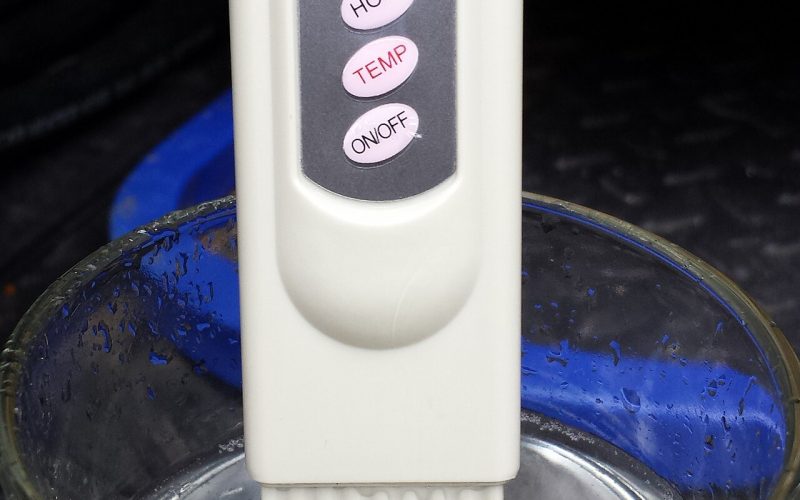
- Taste and test. Does your water taste salty or brackish? Measure TDS with a simple meter or get a lab test.
- TDS below about 1,000 mg/L and sweet-tasting: the main risk is usually microbial contamination and particles from pipes, tanks and tankers. A UF purifier is ideal — it removes the germs and keeps the minerals.
- TDS above about 1,000 mg/L or clearly salty: you need RO (ideally with remineralisation) or a different, safer source for drinking.
- Known arsenic or fluoride area: test specifically for these and use treatment designed for them.
Our TDS guide explains the numbers in more detail, and our free water quality checker gives a quick recommendation.
Hard water vs soft water in everyday life
“Hardness” is the everyday name for the amount of calcium and magnesium in water. It affects more than your health:
- In the kitchen: hard water leaves white scale in kettles and pans and can make daal take slightly longer to soften. A splash of vinegar or lemon juice dissolves kettle scale easily.
- In the bathroom: soap lathers less in hard water, and taps and showerheads build up deposits over time.
- In appliances: geysers and washing machines work harder when scale builds up, so periodic descaling extends their life.
- In the glass: moderately hard water often tastes fuller and more refreshing than very soft water.
None of these is a safety problem. The important thing is that hardness is not the same as contamination. Very clear, hard water can still carry bacteria from a leaking pipe; very soft water from a mountain stream can still carry Giardia. Treat for germs first, and decide about minerals separately.
Special cases: babies, athletes and the elderly
Infant formula
Formula is designed to provide everything a baby needs, and paediatric guidance generally recommends preparing it with safe water that is not excessively high in minerals, sodium or nitrate. Filtered and boiled sweet water is usually suitable; very salty or high-TDS water is not. Follow your paediatrician’s advice and the instructions on the formula tin.
Physically active people and labourers
People working outdoors in Pakistan’s summer heat lose water and electrolytes through sweat. Mineral-containing water helps a little, but during heavy sweating, ORS or salted lassi, together with regular meals, matter more. See our hydration guide for Pakistani families.
Older adults
Older people often drink too little and may benefit from the extra calcium and magnesium in moderately hard water. Pleasant-tasting water encourages them to drink more — another reason not to strip all minerals from sweet water.
People on special diets
Anyone on a sodium-restricted diet for heart or kidney disease should ask their doctor about the sodium content of their water, particularly in areas with brackish groundwater.
Common myths about minerals in water
“The lower the TDS, the healthier the water.”
Not true. A low TDS reading tells you little about safety: water can have low TDS and still be full of bacteria. Safety depends mainly on whether pathogens and harmful contaminants are present, not on how few minerals remain.
“Hard water causes kidney stones.”
Research has not shown that moderately hard drinking water causes kidney stones; staying well hydrated is one of the most important protective steps. People with a history of stones should follow their doctor’s advice.
“Mineral water from a bottle is always better.”
Bottled “mineral water” simply means water with a natural, stable mineral content from a protected source. It can be excellent, but it is expensive for daily family use, and quality varies between brands. Sweet tap or well water passed through an ultrafiltration membrane gives you naturally mineralised water free of germs at a fraction of the cost — see bottled water vs a home filter.
“White deposits in the kettle mean the water is unsafe.”
Limescale is mostly calcium carbonate — the same mineral in chalk. It’s a nuisance for kettles but not a sign of contamination.
The takeaway
Safe drinking water is about removing what harms you, not everything that’s there. If your water is sweet, the smartest approach is to remove the bacteria, parasites, particles and plastics while keeping the natural calcium and magnesium. That’s exactly what ultrafiltration does — and why we built Water Ka Doctor around it.
Safe water, minerals intact
Water Ka Doctor removes 99.9999% of bacteria and parasites while keeping the essential minerals in your sweet water. No electricity, no waste water — $18 with free delivery.
Shop Water Ka Doctor