For millions of households in Karachi, Lahore, Islamabad and beyond, the weekly delivery of blue 19-litre bottles has become as routine as the milkman. It feels like a modest expense — a couple of dollars here and there. But drinking water is a cost you pay every single day, for years. When you add it up, the difference between buying bottled water and filtering your own can be enough to pay a school term’s fees or a month’s grocery bill. In this guide we compare the real two-year cost of the options most Pakistani families use.
How much drinking water does a family actually use?
Before comparing prices, we need a realistic daily figure. A typical adult needs around 2–3 litres of fluids a day, more in Pakistan’s hot summers and for people doing physical work. Children need less in absolute terms but more relative to body weight. On top of drinking, many families also use safe water for cooking rice, daal and tea, making baby formula and washing fruit and vegetables.
For this comparison we use about 13.7 litres a day for a family of five — which conveniently equals 10,000 litres over two years, the rated life of a Water Ka Doctor purifier. Your family may use more or less; the per-litre figures below let you scale the numbers either way.
The four options most families use
- Branded 19-litre dispenser bottles — delivered refills from a national or well-known brand.
- Local refill-plant 19-litre bottles — cheaper refills from a neighbourhood RO or filtration plant.
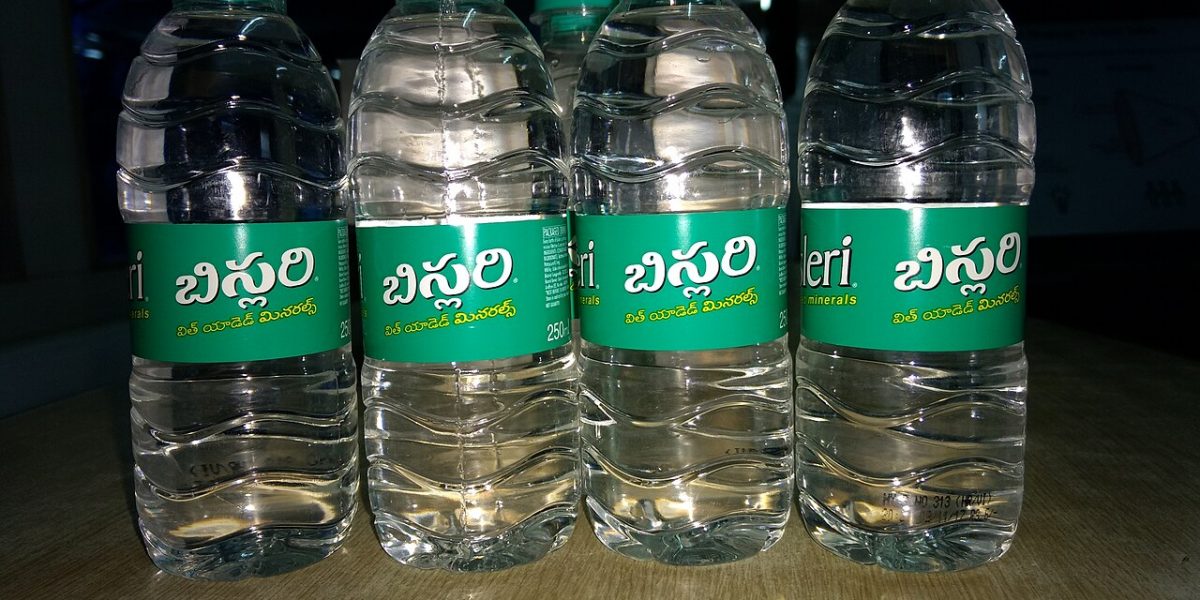
- Small 1.5-litre bottles — bought from shops, common for travel, offices and families without a dispenser.
- Treating your own tap, line, well or tanker water — by boiling, or with a home filter.
Two-year cost comparison (example prices)
Prices vary between cities, brands and neighbourhoods, and they change with inflation, so treat the figures below as worked examples. Replace them with your own local prices — the method is what matters.
| Option | Example price | Cost per litre | Cost for 10,000 litres (≈2 years) |
|---|---|---|---|
| 1.5-litre shop bottles | $0.39 per bottle | ≈ $0.26 | ≈ $2,620 |
| Branded 19-litre refills | $1.25 per bottle | ≈ $0.066 | ≈ $657 |
| Local plant 19-litre refills | $0.43 per bottle | ≈ $0.022 | ≈ $225 |
| Boiling on LPG | Fuel only (varies) | ≈ $0.01–0.02 | ≈ $107–214 |
| Water Ka Doctor home purifier | $18 one-time | ≈ $0.0018 | $18 |
How we calculated: 10,000 litres ÷ bottle size = number of bottles; multiplied by the example price. For boiling, the estimate assumes LPG and typical household stove efficiency; natural gas is cheaper when available, but supply interruptions are common and boiling also adds heat and time in summer. The filter figure covers the purifier itself; you are already paying for the tap, line or tanker water that feeds it.
The hidden costs of bottled water
The price on the bottle is not the whole story. Families buying bottled water also pay in ways that don’t show up on the delivery slip:
- Dispensers and deposits. Electric hot-and-cold dispensers cost money upfront, consume electricity and need cleaning. Many suppliers also charge a bottle deposit.
- Running out. Deliveries are missed during strikes, rains and Eid holidays. When the bottle runs dry, families often fall back on unsafe tap water.
- Quality uncertainty. The Pakistan Council of Research in Water Resources (PCRWR) regularly tests bottled water brands and publishes lists of those found unsafe. Unregistered local plants are rarely tested at all.
- Reused containers. 19-litre bottles are washed and refilled many times. Scratches and poor washing can harbour bacteria.
- Plastic particles. Studies have found micro- and nano-plastics in most bottled water tested, partly from the bottle itself. See microplastics in drinking water.
- Carrying and storage. A full 19-litre bottle weighs about 19 kg — hard work for elderly family members and a storage headache in small flats.
- Waste. Small bottles add to Pakistan’s plastic pollution problem, clogging drains that make urban flooding worse.
What about boiling?
Boiling is a time-tested way to kill germs and is far cheaper than bottled water. But it has drawbacks: fuel cost, gas load-shedding, waiting for water to cool, extra heat in the kitchen in summer, and the risk of recontamination when water is poured into unclean containers. Crucially, boiling does not remove mud, rust or micro-plastics, so cloudy tanker or well water stays cloudy. We compare the two methods in depth in boiling vs filtering water.
Why a home filter offers the best value
A point-of-use ultrafiltration purifier like Water Ka Doctor combines the safety benefits families look for in bottled water with a running cost close to zero:
- Removes 99.9999% of bacteria, pathogens and parasites, plus suspended solids and micro-plastics, through a 0.1-micron hollow-fibre membrane.
- No electricity and no wasted water — unlike RO systems, every litre you put in comes out as drinking water.
- Up to 60 litres per hour, so you never wait or run out.
- Keeps natural minerals such as calcium and magnesium — read why minerals in drinking water matter.
- 2-year / 10,000-litre life with a simple backwash to keep flow strong.
- Tested and certified with NUST, SGS and PCRWR — see our certifications.
Which option makes sense in which situation?
Cost isn’t the only factor. Here is a practical way to think about each option depending on your circumstances:
| Situation | Best everyday choice | Why |
|---|---|---|
| Sweet line or tank water in a city flat | Home UF purifier | Removes germs, rust and particles from pipes and tanks at the lowest cost per litre. |
| Tanker-dependent household | Settle, then UF purifier | Tanker water is often turbid and microbially contaminated but usually sweet. |
| Village with hand pump or well | UF purifier or community filter | No electricity needed; one community filter can serve a school or mosque. |
| Salty or brackish groundwater | RO system or trusted bottled source | Ultrafiltration cannot remove dissolved salts. |
| Travel, events, guests | Bottled water (or a portable filter) | Convenient where you have no control over the source. |
| Floods and emergencies | Non-electric filter + disinfection | Power and deliveries fail first; see our flood guide. |
Offices, shops and schools: the savings multiply
The same arithmetic applies — at a larger scale — to small businesses and institutions. A small office of ten people may get through several 19-litre bottles every week, plus the electricity of a hot-and-cold dispenser running all day. A school with hundreds of children faces an even bigger bill, or simply goes without safe water. In Haroonabad, where we installed filters at two primary schools serving more than 500 students, the benefit wasn’t only financial: teachers reported healthier children and better attendance. Read the full story in clean drinking water in schools.
For larger groups, compare the cost of bottles over a school year with a one-time community filter installation, and remember to include delivery reliability and the time staff spend managing bottles.
Run the numbers for your own family
Use this quick method:
- Count how many bottles you buy in a typical month and multiply by the price per bottle.
- Multiply that monthly figure by 24 to get your two-year spend.
- Subtract $18 for a Water Ka Doctor purifier.
- The difference is your saving — and it grows if prices rise.
For example, a family buying 22 branded 19-litre bottles a month at $1.25 spends $27.50 a month, or about $660 over two years. The same family filtering at home would spend $18 — a saving of nearly $640. Not sure whether your water is suitable? Try our free water quality checker.
Making the switch from bottles to a filter
Switching is simple, and you don’t have to give up the habits your family is used to:
- Keep your dispenser if you like it. Fill a clean 19-litre bottle with filtered water and use it in your existing dispenser for hot and cold water. Wash the bottle regularly with soap and filtered water.
- Use a clay matka for cool water. Filtered water stored in a clean, covered matka stays naturally cool in summer without electricity.
- Carry steel bottles. Fill reusable steel bottles for school, work and travel instead of buying 1.5-litre bottles every day.
- Return your bottle deposits. Once you have stopped deliveries, reclaim any deposits you paid to your supplier.
- Put the savings to work. Many families set aside what they used to spend on bottles each month — it adds up quickly.
The bottom line
Bottled water has its place — when travelling, at events, or where no safe source exists. But as an everyday solution for a family, it is by far the most expensive way to get safe water, and it is not automatically the safest. If your home has sweet water from a tap, line, well or tanker, filtering at the point of use gives you safe, mineral-rich water for around 50 paisa a litre, with no deliveries to wait for and no bottles to carry.
Stop paying for bottles
Water Ka Doctor gives a family of five safe drinking water for two years for a one-time $18 — with free delivery across Pakistan.
Shop Water Ka Doctor