In most Pakistani homes, the kettle or patila of boiling water is a familiar sight. Boiling is the method our parents and grandparents trusted, and for good reason: it kills germs. But boiling is slow, it costs gas every single day, and there are several important things it simply cannot do. Filtration, meanwhile, has come a long way — modern hollow-fibre membranes can remove bacteria and parasites physically, with no heat and no electricity. This article compares the two honestly, so you can decide what makes sense for your family.
How boiling makes water safe
Heat destroys microorganisms. When water reaches a full rolling boil, bacteria (such as those causing cholera and typhoid), viruses (such as hepatitis A and E) and parasites (such as Giardia and Cryptosporidium) are inactivated. The World Health Organization recognises boiling as a highly effective method of household water treatment against pathogens.
The recommended practice is simple:
- If the water is cloudy, let it settle and pour off the clearer water, or strain it through a clean cloth first.
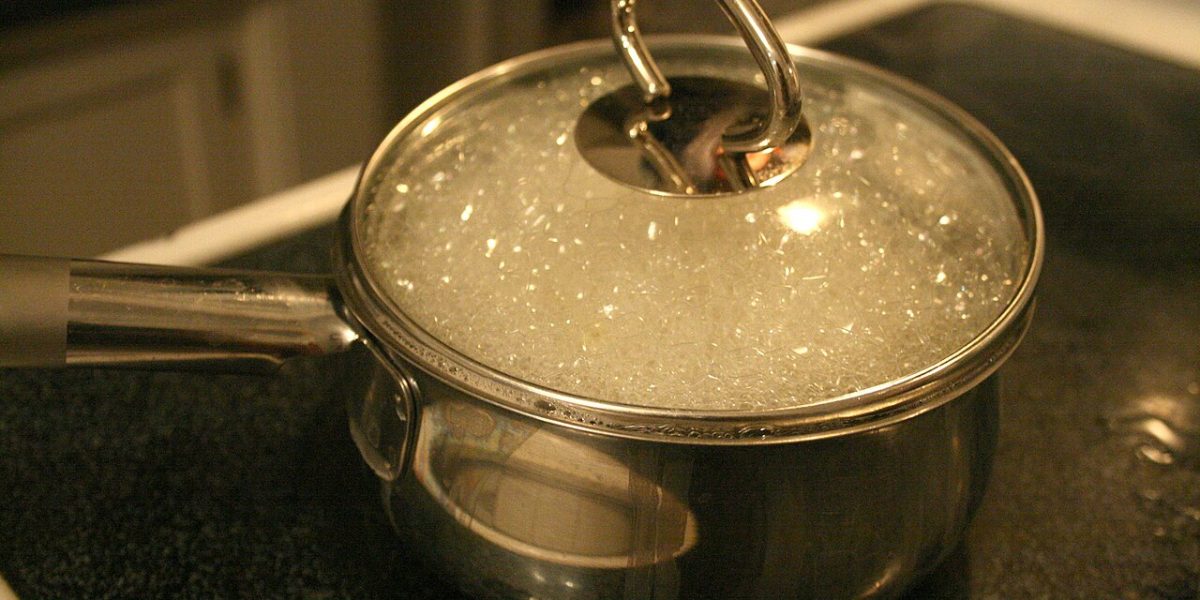
- Bring the water to a full rolling boil — large bubbles breaking the surface continuously, not just small bubbles at the bottom.
- Keep it boiling for about one minute (or about three minutes at high altitude, above roughly 2,000 metres).
- Let it cool in the same covered pot, then pour it into a clean, covered container with a tap or narrow mouth.
Done correctly, boiling is a reliable way to make biologically contaminated water safe to drink. The problem is that “done correctly, every time” is harder than it sounds.
What boiling cannot do
Boiling has five significant limitations that families often overlook.
1. It does not remove particles
Mud, silt, rust from old pipes and sediment from tanks all stay in the water after boiling. You may be drinking sterilised water, but it is still cloudy — and the particles can carry dissolved contaminants.
2. It does not remove micro-plastics
Micro- and nano-plastics are increasingly found in water sources worldwide. Heat does not make them disappear. Our article on micro-plastics in drinking water explains why physical filtration is the practical way to deal with them.
3. It does not remove chemicals or salts
Boiling does not remove arsenic, nitrates, pesticides or heavy metals. It does not reduce TDS either; as some water evaporates, dissolved salts become slightly more concentrated.
4. Recontamination is common
Boiled water is only safe until it is touched by something dirty. Pouring it into an unwashed bottle, dipping a cup into an open container, or leaving it uncovered in the kitchen can recontaminate it within hours. Studies of household water treatment around the world have repeatedly found that stored boiled water is often less safe than people assume, for exactly this reason.
5. It costs fuel, time and attention
Boiling enough water for a family every day uses a meaningful amount of gas or other fuel. With gas load-shedding and rising prices, many families skip boiling on busy days — and those are the days children get sick. Boiling also produces hot water that must cool for hours before it can be drunk, and pots of boiling water are a burn risk around small children.
How modern filtration works
Filtration takes a completely different approach: rather than killing germs with heat, it physically blocks them. Not all filters are equal, though. A simple cloth or ceramic candle removes larger particles, while a hollow-fibre ultrafiltration membrane works at a much finer level.
Water Ka Doctor uses thousands of hollow fibres with a pore size of 0.1 micron. Bacteria are typically larger than this, and parasites such as Giardia and Cryptosporidium are much larger, so they cannot pass through. The result is water free of 99.9999% of bacteria, pathogens and parasites, as well as suspended solids and micro-plastics.
Our ERM technology adds another layer: the membrane is intrinsically anti-microbial, with zinc built into the material. Microbes that touch the surface are killed and washed away during backwashing, so the membrane does not become a breeding ground — a common problem with ordinary filters. You can read the full explanation in ERM hollow-fibre membrane technology explained.
Side-by-side comparison
| Factor | Boiling | Hollow-fibre ultrafiltration (Water Ka Doctor) |
|---|---|---|
| Bacteria & parasites | Effective when done correctly | Removes 99.9999% |
| Viruses | Effective | Most viruses are smaller than 0.1 micron; boiling or chlorination adds extra protection where viral contamination is a known risk |
| Mud, rust, sediment | Not removed | Removed |
| Micro- and nano-plastics | Not removed | Removed |
| Dissolved salts (TDS) | Not removed (slightly concentrated) | Not removed — minerals retained |
| Time to drinkable water | Hours (boil + cool) | Instant, up to 60 L/hour |
| Energy | Gas or fuel every day | None |
| Taste | Often “flat” | Natural taste, minerals retained |
| Running cost | Ongoing fuel cost | One-time $18 for 2 years / 10,000 litres |
| Burn risk | Yes | No |
Neither method reduces TDS. If your water is salty or brackish, read our guide on TDS and when you need RO before choosing anything.
The real cost over two years
It is easy to think of boiling as “free”, but it is not. Every day, a family boils several litres for drinking and cooking. Over two years, that is hundreds of hours of burner time, plus the time spent waiting, cooling and handling heavy pots.
By comparison, a single Water Ka Doctor unit costs $18, needs no gas or electricity, and lasts two years or 10,000 litres — enough for a family of five. That works out to well under one cent per litre of safe drinking water. Our cost comparison article runs the numbers against bottled water too.
When boiling still makes sense
Filtration does not make boiling obsolete. There are situations where boiling is the right choice, or a sensible addition:
- Emergencies where no filter is available — boiling is always better than drinking untreated water.
- Infant formula — many paediatricians advise using boiled, cooled water for babies. Follow your doctor’s advice.
- Known viral outbreaks (for example hepatitis E in a flooded area), where health authorities advise boiling.
- Cooking — when water is boiled anyway as part of cooking, that heat treatment happens automatically.
For everyday drinking water, though, most families find that filtering at the point of use is faster, cheaper, more consistent and more pleasant to drink.
What about other household methods?
Boiling and ultrafiltration are not the only options Pakistani families use. Here is how the other common methods compare.
Chlorine tablets and drops
Chlorine is cheap, widely used by municipalities and effective against most bacteria and viruses. It leaves a residual that protects stored water from recontamination, which is a real advantage. However, it is less effective against some parasites such as Cryptosporidium, it struggles with cloudy water, and many families dislike the taste and smell. Dosing also needs to be right: too little does not disinfect, and too much tastes unpleasant.
Cloth filtration and settling
Straining water through a folded clean cotton cloth, or letting it settle in a pot and pouring off the clearer water, removes larger particles and some attached germs. These are useful first steps before boiling or chlorinating very muddy water, but on their own they do not make water safe.
Ceramic candle filters
Traditional gravity filters with ceramic candles remove sediment and many bacteria, but their performance varies widely between brands, they are slow, and cracked candles can let contaminated water through without any visible sign. They also need regular scrubbing to prevent bacterial growth on the surface.
Solar disinfection (SODIS)
Leaving clear water in transparent PET bottles in full sunlight for at least six hours is a recognised emergency method that uses UV and heat to inactivate germs. It needs clear water, strong sun and a lot of bottles, so it is better suited to emergencies than daily household use.
RO and UV electric purifiers
Reverse osmosis removes dissolved salts as well as germs, which makes it the right choice for salty water. UV purifiers kill germs with ultraviolet light. Both need electricity, so they stop working during load-shedding, and RO wastes a large share of the incoming water and removes beneficial minerals. Our detailed comparison, ultrafiltration vs RO vs UV, explains when each one makes sense.
Common myths about boiling
- “The longer you boil, the safer it is.” Not really. Once water has reached a rolling boil for the recommended time, extra boiling only wastes fuel and concentrates dissolved salts.
- “Boiled water stays safe forever.” It stays safe only as long as it is stored in a clean, covered container and poured without hands or cups touching it.
- “Warm water from the geyser is already sterilised.” Water heaters do not reach or hold boiling temperatures reliably. Never use geyser water for drinking.
- “If it’s boiled, it doesn’t matter how dirty it was.” Heat kills germs but leaves mud, rust and micro-plastics in the glass. Settle or filter dirty water first.
Best practice: combine methods wisely
The safest households think in layers:
- Protect the source and storage — keep tanks covered and clean.
- Filter at the point of use — remove germs, particles and micro-plastics with an ultrafiltration membrane.
- Store safely — use clean, covered containers with a tap.
- Boil when advised — for infant formula, outbreaks or emergencies.
- Wash hands — before handling drinking water and food.
Stop boiling every day
Water Ka Doctor gives you safe drinking water instantly, with no gas, no electricity and no waiting for it to cool.
Shop Water Ka DoctorPractical takeaway
Boiling is effective against germs, and it remains a valuable emergency method. But it leaves mud, rust and micro-plastics behind, costs fuel every day and is easily undone by dirty containers. A hollow-fibre ultrafiltration filter removes germs and particles instantly, without energy, and keeps the natural minerals in your water. For everyday drinking water from sweet sources, filtering is the smarter routine — and boiling is the backup you keep for special cases.