Water is so ordinary that we rarely think about how much of it we actually drink. Yet in a country where summer temperatures in Jacobabad, Sibi or Multan can approach 50°C, where long load-shedding switches off coolers and fans, and where waterborne illnesses spread quickly, hydration is a serious family health issue. This guide explains how much water each member of your family really needs, how to spot dehydration early, how to stay hydrated during heatwaves and Ramadan, and why the safety of the water matters as much as the quantity.
How much water does each family member need?
Water needs vary with age, body size, activity, health and — very importantly — climate. The European Food Safety Authority (EFSA) publishes widely used reference values for total water intake, which includes water from drinks and from food. In temperate climates, roughly 70–80% of this comes from drinks.
| Age group | Total water per day (EFSA reference) | Practical note for Pakistan |
|---|---|---|
| Infants 6–12 months | 0.8–1.0 L (mostly from breast milk or formula and food) | Follow your paediatrician’s advice; use safe water for formula |
| Children 1–3 years | 1.1–1.3 L | Offer water frequently; toddlers do not always ask |
| Children 4–8 years | 1.6 L | Send a filled bottle to school every day |
| Girls 9–13 years | 1.9 L | Needs rise with sport and heat |
| Boys 9–13 years | 2.1 L | Needs rise with sport and heat |
| Women (14 years and older) | 2.0 L | More in summer and during physical work |
| Men (14 years and older) | 2.5 L | Outdoor workers may need much more |
| Pregnant women | about 2.3 L | Consult your doctor |
| Breastfeeding women | about 2.7 L | Drink to thirst plus extra with every feed |
These values are designed for moderate temperatures and activity. In a Pakistani summer, especially for anyone working outdoors, needs can be significantly higher. The simplest everyday check is your urine: pale straw-coloured urine generally means you are drinking enough, while dark yellow urine is a sign to drink more.
Recognising dehydration early
Dehydration happens when the body loses more water than it takes in — through sweat, breathing, urine, diarrhoea or vomiting. It can develop quickly in children and older people.
Early signs
- Thirst and a dry mouth
- Dark yellow urine, or urinating less often
- Tiredness, headache, dizziness
- Irritability and poor concentration in children
Warning signs that need urgent medical help
- Very little or no urine for many hours (or no wet nappy for a long time in babies)
- Sunken eyes, or a sunken soft spot on a baby’s head
- No tears when crying
- Unusual drowsiness, confusion or difficulty waking
- Rapid breathing or a fast heartbeat
Staying hydrated during heatwaves
Heatwaves have become a regular feature of Pakistani summers. During extreme heat, the body loses large amounts of water and salts through sweat, and heat exhaustion or heatstroke can follow.
- Drink before you feel thirsty. Thirst lags behind need, especially in older people.
- Drink regularly and steadily rather than large amounts at once.
- Replace salts if sweating heavily — lassi with a pinch of salt, namkeen lemon water, or ORS can help.
- Avoid very sugary drinks and large amounts of strong tea or soft drinks in peak heat.
- Eat water-rich foods such as watermelon, cucumber, kheera raita and seasonal fruit.
- Check on elderly relatives and neighbours, who may not feel thirst as strongly.
- Keep children indoors during the hottest hours where possible.
Load-shedding makes heatwaves harder. A traditional clay matka keeps water pleasantly cool without electricity — just make sure it is filled with purified water, kept covered and cleaned regularly.
Hydration during Ramadan
When Ramadan falls in hot months, fasting for long hours makes hydration especially important. Spread your water intake between iftar and sehri rather than drinking a lot at once:
- At iftar, start with water and dates, then continue with small amounts of water throughout the evening.
- Between iftar and sehri, keep a bottle of purified water nearby and aim to finish it.
- At sehri, drink water and eat water-rich and fibre-rich foods such as yoghurt, fruit and whole grains.
- Limit salty and fried foods, which increase thirst during the fast.
- Limit strong tea at sehri; it can increase urine output.
People with diabetes, kidney disease or other conditions, as well as pregnant and breastfeeding women, should discuss fasting with their doctor.
Helping children drink enough
Children often forget to drink, especially at school or when playing. Many schools also lack clean water points, as we discuss in our article on clean drinking water in schools.
- Send a filled, labelled bottle of purified water to school daily and check that it comes home empty.
- Offer water with every meal and snack, and after play or sport.
- Let children choose a favourite bottle or cup — it genuinely helps.
- Add slices of lemon, mint or cucumber for flavour instead of sugary syrups.
- Be a role model — children copy what they see adults do.
Special attention: elders, outdoor workers and athletes
Older family members
As people age, the sense of thirst becomes weaker, and some medicines — such as diuretics for blood pressure — increase fluid loss. Older relatives may also drink less deliberately to avoid frequent trips to the bathroom, especially at night or when travelling. Gently encourage regular sips through the day, keep a glass of purified water within reach of their chair or bed, and watch for confusion or dizziness in hot weather, which can be an early sign of dehydration rather than “just old age”.
Outdoor workers
Labourers, farmers, riders, traffic police and anyone working in the sun can lose a litre or more of sweat per hour in extreme heat. Regular breaks in the shade, a large bottle of safe water and salt replacement are essential. Employers should make clean drinking water freely available on site — it is one of the simplest ways to prevent heat illness at work.
Children who play sport
Cricket in the afternoon sun is a national pastime, and young players often forget to drink until they feel unwell. Encourage a drink before play, small drinks every 15–20 minutes, and a proper drink afterwards. Plain water is enough for most children; sports drinks are rarely needed.
Hydration myths
- “Eight glasses for everyone.” There is no single number. Needs depend on age, size, activity and climate — use the table above and your urine colour as guides.
- “Cold water is harmful.” Cool water is fine and often encourages people to drink more in summer. Very iced drinks after strong heat can feel unpleasant, but they are not dangerous for healthy people.
- “You can’t drink too much.” It is rare, but drinking very large amounts of plain water quickly, especially without salts during heavy sweating, can upset the body’s sodium balance. Steady drinking is better than gulping litres at once.
- “Thirst means you’re already badly dehydrated.” Thirst is an early, useful signal for most healthy people — but older adults and young children may not feel or express it reliably, so offer them water regularly.
Quantity is not enough: the water must be safe
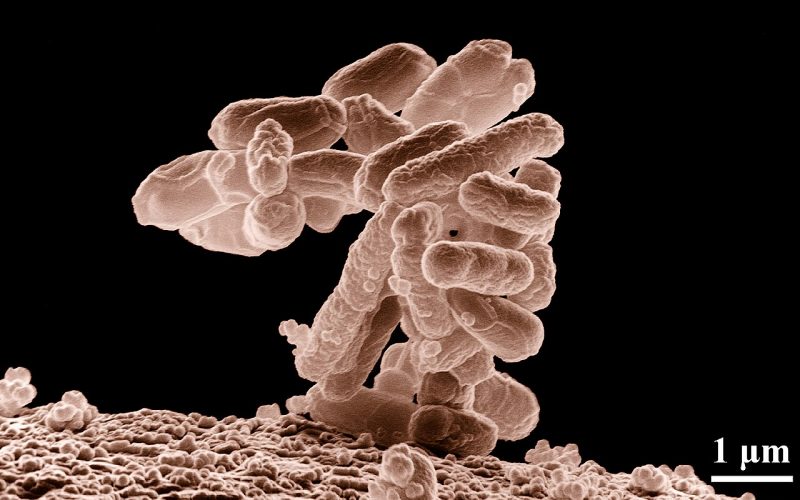
Encouraging your family to drink more water only helps if the water is safe. In Pakistan, contaminated drinking water is a leading cause of diarrhoea, typhoid, cholera and hepatitis — illnesses that themselves cause severe dehydration. A family that drinks plenty of unsafe water may be putting itself at greater risk, not less.
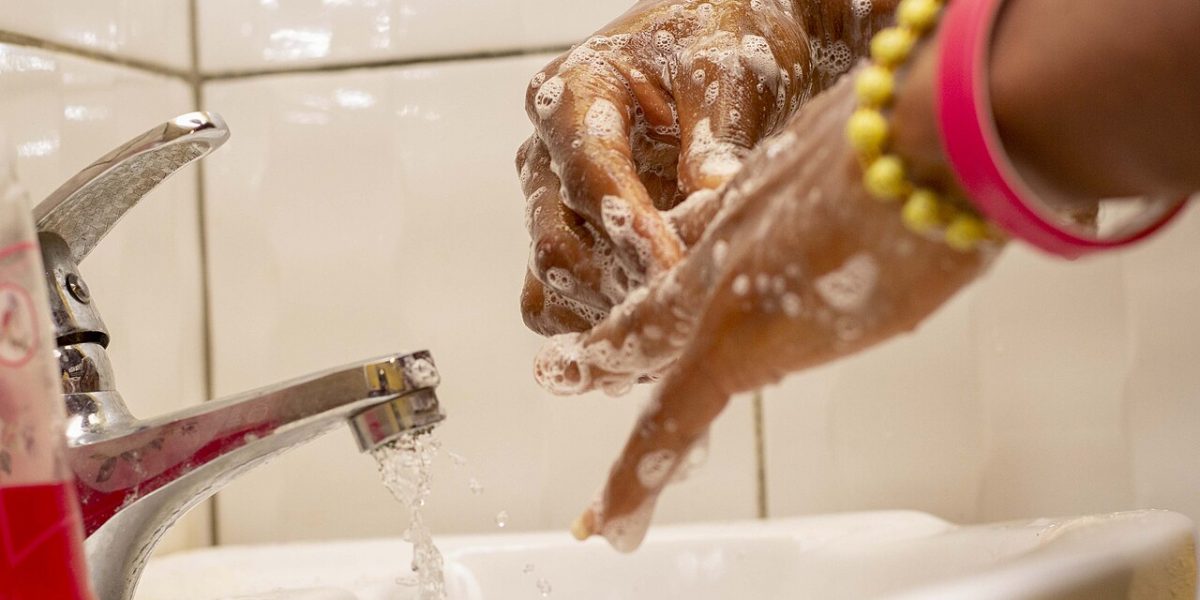
Our guide to waterborne diseases covers the main threats. The core protections are simple: clean storage, washing hands, and treating drinking water at the point of use.
Water Ka Doctor is designed for exactly this. Its hollow-fibre ultrafiltration membrane removes 99.9999% of bacteria, pathogens, parasites and micro-plastics, delivers up to 60 litres per hour, and needs no electricity — so you have safe water even during load-shedding. Unlike RO systems, it keeps the natural minerals in your water, which contribute to your daily intake. Read more in why minerals in drinking water matter.
A simple daily hydration plan for the family
| Time | Habit |
|---|---|
| Morning | A glass of water for everyone before or with breakfast; fill school and work bottles with purified water. |
| Mid-morning | Children drink from their bottles at break; adults keep a glass nearby. |
| Lunch | Water with the meal; raita, salad or fruit on the side. |
| Afternoon heat | Small, frequent drinks; lassi or lemon water with a pinch of salt if sweating a lot. |
| Evening | Water with dinner; refill the matka or jug from the purifier for the night. |
| Before bed | A small glass, especially for older family members. |
Safe water for every glass
Water Ka Doctor gives your family up to 60 litres of safe drinking water per hour — no electricity, no waiting, minerals retained. Free delivery across Pakistan.
Shop Water Ka DoctorPractical takeaway
Most adults need around two to two-and-a-half litres of total water a day in moderate conditions — and considerably more in Pakistan’s summer heat. Children, older people and pregnant or breastfeeding women need special attention. Learn the early signs of dehydration, plan for heatwaves and Ramadan, and make drinking water easy and appealing for children. Above all, make sure every glass is safe: the healthiest hydration habit is drinking plenty of clean, purified water.