Every monsoon, Pakistani hospitals see a familiar surge: children with diarrhoea, adults with high fevers that turn out to be typhoid, and in flood-hit districts, outbreaks of cholera. These are not mysterious illnesses. Almost all of them travel the same route — from human or animal waste into water, and from water into our bodies. The good news is that the same route can be blocked at home with knowledge and a few consistent habits.
Why waterborne disease remains so common in Pakistan
Pakistan’s challenge is less about a lack of water and more about water that becomes contaminated between the source and the glass. Several factors combine:
- Ageing pipelines that run alongside sewers. When supply is intermittent, pressure in water pipes drops and sewage can be sucked in through cracks and illegal connections.
- Shallow groundwater. Hand pumps and wells near latrines, drains or livestock pick up faecal bacteria, especially after heavy rain.
- Unregulated tanker supply in cities like Karachi, where the source and the condition of the tank are rarely known. See our Karachi household water guide.
- Floods, which overwhelm sanitation and mix sewage with drinking sources across whole districts.
- Storage at home in uncovered buckets, dirty jerrycans and rarely cleaned rooftop tanks.
Water-quality surveys by the Pakistan Council of Research in Water Resources (PCRWR) have repeatedly found that a large share of sampled drinking-water sources across the country are unsafe, most often because of bacterial contamination. In other words, clear-looking water is not proof of safe water.
The main waterborne diseases and how to recognise them
Acute watery diarrhoea and dysentery
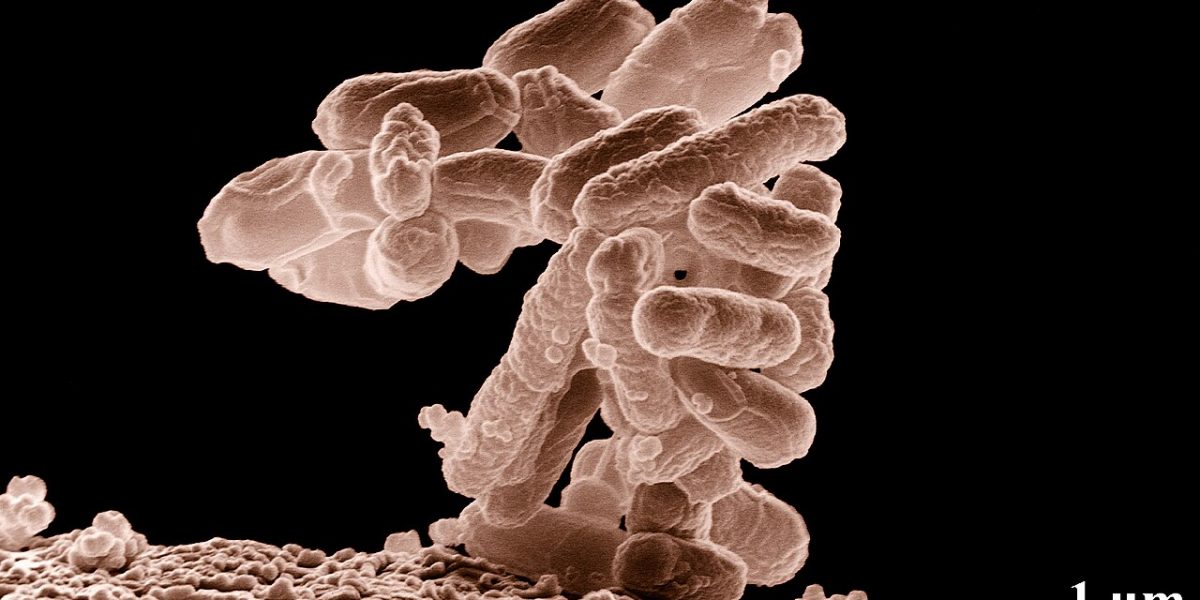
Cause: a range of bacteria (such as pathogenic E. coli and Shigella), viruses (such as rotavirus) and parasites. Symptoms: frequent loose stools, cramps, vomiting; in dysentery, blood or mucus in the stool and fever. Why it matters: diarrhoeal disease is one of the leading causes of death among children under five worldwide, mainly through dehydration. Repeated episodes also contribute to malnutrition and stunting.
Typhoid fever
Cause: Salmonella Typhi bacteria spread through faecally contaminated water and food. Symptoms: fever that climbs over several days, headache, weakness, stomach pain, loss of appetite, sometimes constipation or diarrhoea. Pakistan-specific risk: since 2016, an extensively drug-resistant (XDR) strain of typhoid, first identified in Hyderabad, Sindh, has spread to Karachi and other areas. XDR typhoid does not respond to most common antibiotics, which makes prevention — safe water, hygiene and vaccination — more important than ever. The typhoid conjugate vaccine (TCV) is part of Pakistan’s routine immunisation programme; ask your doctor or local vaccination centre.
Cholera
Cause: Vibrio cholerae bacteria. Symptoms: sudden, profuse, painless watery diarrhoea often described as “rice-water” stools, with vomiting and rapid dehydration. Cholera can kill within hours if fluids are not replaced, but it is very treatable with prompt oral rehydration. Outbreaks are most likely after floods and in crowded settlements.
Hepatitis A and hepatitis E
Cause: viruses spread through faecally contaminated water and food. Symptoms: tiredness, nausea, fever, dark urine and yellowing of the eyes and skin (jaundice). Hepatitis E can be particularly dangerous for pregnant women. Unlike hepatitis B and C, these are not spread by blood but by contaminated water.
Parasitic infections: giardiasis, amoebiasis and worms
Cause: protozoa such as Giardia and Entamoeba histolytica, and parasitic worm eggs. Symptoms: long-lasting or recurring diarrhoea, bloating, gas, weight loss and poor growth in children. Giardia cysts are tough and can survive standard chlorination, but they are large enough to be removed by a 0.1-micron membrane.
The chain of infection — and where to break it
Public-health experts describe waterborne disease using the “F-diagram”: germs travel from faeces to new victims through fluids (water), fingers, flies, fields and food. Break enough of those links and infection stops. For a household, the most powerful barriers are:
| Barrier | What it blocks | How to do it |
|---|---|---|
| Safe drinking water | Fluids | Filter, boil or chlorinate all water used for drinking, making tea, mixing baby formula and washing raw fruit |
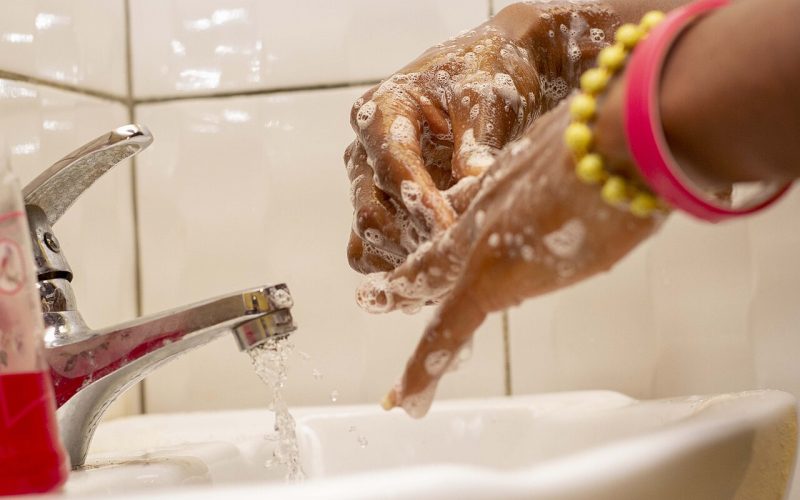
| Handwashing with soap | Fingers | After using the toilet, cleaning a child, before cooking and eating |
| Safe storage | Recontamination | Covered containers with a tap or narrow neck; never dip cups or hands in |
| Food hygiene | Food, flies | Cook thoroughly, cover food, avoid cut fruit and street drinks of unknown water |
| Sanitation | Fields | Use and maintain toilets; keep latrines away from wells and hand pumps |
| Vaccination | The disease itself | Typhoid conjugate vaccine and rotavirus vaccine through routine immunisation |
Making drinking water safe at home
There are three practical household options, and they work best together:
- Filtration. A certified ultrafiltration purifier physically removes bacteria such as E. coli, Salmonella Typhi and Vibrio cholerae, plus parasite cysts, mud and micro-plastics. Water Ka Doctor removes 99.9999% of bacteria and works without electricity, so it keeps protecting you during load-shedding.
- Boiling. A rolling boil for at least one minute kills germs including viruses. It costs fuel and time, and it does not remove dirt or plastics. Compare the two in Boiling vs Filtering Water.
- Chlorination. Chlorine tablets or drops approved by health authorities disinfect water cheaply but work poorly in muddy water and do not kill some parasite cysts reliably.
Safe storage: the step most families miss
Water that leaves a filter or a pot safe can easily become unsafe again within hours. Studies of household water around the world consistently find that contamination often happens after collection — in the bucket, the cooler or the glass. Follow these steps:
- Use a dedicated container for drinking water only, ideally with a tap or narrow mouth so nobody dips a cup or hand inside.
- Wash it weekly with soap and safe water, scrubbing the inside and the tap.
- Keep it covered and off the floor, away from children’s reach and from flies.
- Drink stored water within a day or two; refill from the filter rather than storing large volumes for long periods.
- Clean rooftop and underground tanks at least twice a year and keep their lids sealed — a dirty tank can carry sludge, insects and even dead birds.
Filtering water at the point of use — immediately before drinking — is one of the most effective ways to avoid recontamination, because there is no storage step in between.
Extra precautions during and after floods
Floods dramatically raise the risk of cholera, typhoid, hepatitis E and diarrhoea because sewage, animal waste and floodwater mix with wells and hand pumps. During and after a flood:
- Assume every open source is contaminated, even if it looks clear.
- Filter, then boil or chlorinate if health authorities advise it.
- Do not use floodwater to wash utensils or brush teeth unless it has been treated.
- Disinfect hand pumps and wells according to local health-department guidance before using them again.
- Keep ORS sachets in your emergency kit.
Our detailed guide, Safe Drinking Water During Floods, covers emergency options step by step.
Protecting children: the most vulnerable drinkers
Children drink more water relative to their body weight, put their hands in their mouths and dehydrate faster. Simple rules make a big difference:
- Use only safe water for formula, cerelac and baby food, and for rinsing bottles.
- Give children their own clean, covered water bottle for school — filled from a safe source at home. Read how clean water changed attendance in our Haroonabad schools story.
- Teach handwashing with soap for at least 20 seconds, and make soap easy to reach.
- Exclusive breastfeeding for the first six months protects infants from contaminated water entirely.
- Make sure routine vaccines, including typhoid conjugate and rotavirus, are up to date.
Danger signs: when to see a doctor immediately
Start oral rehydration solution (ORS) at the first sign of diarrhoea, mixed exactly according to the packet with safe water, and continue feeding. Seek medical care urgently if any of these appear:
- Blood in the stool
- Unable to drink or keep fluids down; repeated vomiting
- Very sleepy, floppy or unusually irritable child
- Sunken eyes, dry mouth, very little or no urine
- High fever, or fever that lasts more than three days
- Yellow eyes or skin, or dark urine
- Diarrhoea lasting more than two days, or in a baby under six months
Do not give antibiotics without a doctor’s prescription. With XDR typhoid in circulation, self-medication makes resistance worse and can delay proper treatment.
Beyond the household: community solutions
Families cannot fix leaking municipal pipelines on their own, but communities can protect their shared sources. In Faisalabad, Haroonabad and the Afghan refugee settlement in Islamabad, PAKVITAE community filters have given schools and villages a reliable point of safe water. In Haroonabad, where diarrhoea and cholera had been common among schoolchildren, teachers reported a visible improvement in students’ health — and better attendance — after filters were installed. If you manage a school, mosque, clinic or village committee, see our Community Filter Station or explore our projects.
The practical takeaway
Most waterborne disease in Pakistan is preventable. Treat every drinking source as potentially contaminated, put a reliable barrier between that water and your family — filtration, boiling or both — store water safely, wash hands with soap, vaccinate your children and act quickly with ORS when diarrhoea starts. These habits cost little, and they protect the people you love most.
A barrier against bacteria and parasites — every day
Water Ka Doctor removes 99.9999% of bacteria and parasite cysts, works during load-shedding and is certified by NUST, SGS and PCRWR.
Shop Water Ka Doctor